1. Orographic Lifting and Precipitation:
* Windward side: As air masses encounter a mountain range, they are forced to rise. This upward movement, known as orographic lifting, cools the air, causing water vapor to condense and form clouds. This results in increased precipitation on the windward side of the mountain.
* Leeward side: The air, having released much of its moisture on the windward side, descends on the leeward side, warming and drying. This creates a "rain shadow" effect, resulting in drier conditions on the opposite side of the mountain.
2. Altitude and Temperature:
* Lapse rate: Temperature generally decreases with increasing altitude. This is called the lapse rate, and it's approximately 3.5°F per 1000 feet of elevation. This means mountains are colder than surrounding lowlands, impacting plant and animal life and potentially influencing snow cover.
* Mountain microclimates: Due to variations in altitude, slope, and aspect, mountains often exhibit diverse microclimates within a relatively small area. This creates niches for various plant and animal species and can influence local weather patterns.
3. Glaciers and Snow Cover:
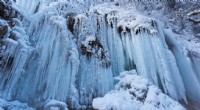
* Albedo effect: Snow and ice have high albedo, reflecting sunlight back into space. This helps regulate global temperatures by reducing solar absorption. Mountains are often home to glaciers and snowfields, contributing significantly to this reflective effect.
* Water storage: Glaciers and snowpack serve as natural reservoirs, storing water for months or even years. This stored water is released gradually through melting, providing a consistent source of water for rivers and ecosystems downstream.
4. Atmospheric Circulation and Weather Patterns:
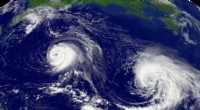
* Mountain ranges as barriers: Mountains can act as physical barriers to airflow, blocking the movement of weather systems and influencing regional climates. For instance, the Rocky Mountains influence the movement of air masses from the Pacific Ocean, impacting the weather in the American West.
* Jet stream: The position and strength of the jet stream, a high-altitude wind current, can be influenced by mountains. This, in turn, affects the flow of weather patterns and temperature variations across continents.
5. Biodiversity and Ecosystem Services:
* Unique habitats: Mountains provide a wide range of habitats for various plant and animal species, supporting high levels of biodiversity.
* Water purification: Mountains play a vital role in filtering and purifying water, ensuring clean water resources for downstream populations.
* Erosion control: Mountain vegetation helps stabilize slopes and prevent erosion, protecting surrounding ecosystems.
In conclusion, mountains are crucial components of the Earth's climate system, influencing precipitation, temperature, atmospheric circulation, and biodiversity. Understanding these impacts is essential for managing resources, predicting future climate change, and protecting mountain ecosystems.