* Weathering is the process of breaking down rocks, soil, and minerals through contact with the Earth's atmosphere, water, and biological organisms.
* There are two main types of weathering:
* Physical weathering: This involves the breakdown of rocks into smaller pieces without changing their chemical composition. Examples include:
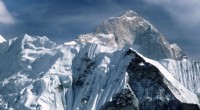
* Frost wedging: Water freezes in cracks, expands, and breaks the rock.
* Thermal expansion and contraction: Temperature changes cause rocks to expand and contract, which can lead to cracking.
* Abrasion: Rocks rub against each other, breaking off smaller pieces.
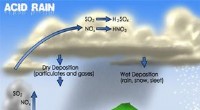
* Chemical weathering: This involves chemical reactions that change the composition of the rock, making it weaker and easier to break down. Examples include:
* Oxidation: Iron in rocks reacts with oxygen, forming rust, which weakens the rock.
* Carbonation: Carbon dioxide in rainwater reacts with minerals in rocks, dissolving them.
* Hydrolysis: Water reacts with minerals in rocks, breaking them down.
The Result: Weathering creates smaller pieces of rock, known as sediments. These sediments can then be transported by wind, water, or ice, eventually accumulating in new locations to form sedimentary rocks.
Therefore, weathering doesn't create new rock types, but it's a crucial step in the rock cycle that leads to the formation of sedimentary rocks.