Plate Tectonics Drives the Rock Cycle:
* Magmatism: Plate boundaries are where most magma is generated.
* Divergent boundaries: Plates move apart, allowing magma to rise and solidify, forming igneous rocks like basalt.
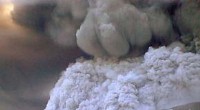
* Convergent boundaries: One plate subducts beneath another, melting the subducted plate and producing magma that rises to form volcanoes and intrusive igneous rocks.
* Metamorphism: The intense heat and pressure associated with plate collisions cause rocks to transform.
* Subduction zones: Rocks are metamorphosed into high-grade metamorphic rocks like schist and gneiss.
* Mountain building: Rocks are folded, faulted, and metamorphosed as plates collide.
* Weathering and Erosion: Plate movement creates landscapes with varying elevations and climates, impacting weathering and erosion rates. This process breaks down rocks and transports sediments.
* Sedimentation: Eroded sediments are deposited in basins, forming sedimentary rocks like sandstone, limestone, and shale.
The Rock Cycle Supplies Materials for Plate Tectonics:
* Subduction Zones: Sedimentary and metamorphic rocks on the subducting plate are recycled into the mantle, providing material for the Earth's internal processes.
* Mantle Convection: Rocks within the mantle, some of which are derived from the rock cycle, undergo convection, driving plate motion.
A Key Example: The Formation of a Mountain Range
1. Plate Tectonics: Two continental plates collide.
2. Rock Cycle: The immense pressure causes rocks to fold, fault, and metamorphose. This creates the mountain range.
3. Weathering and Erosion: The mountains are weathered by wind and rain, breaking down rocks into sediments.
4. Sedimentation: These sediments are transported by rivers and deposited in basins, eventually forming new sedimentary rocks.
5. Plate Tectonics: The continued collision may subduct one plate beneath the other, leading to further rock melting and the creation of new igneous rocks.
In summary, the rock cycle and plate tectonics are inextricably linked. Plate tectonics provides the energy and conditions for the rock cycle to operate, while the rock cycle supplies the materials for the processes that drive plate tectonics.