Beaches:
* Wave Erosion: This is the most significant force on beaches. Waves crash against the shore, breaking down rocks and sand. This can lead to the formation of sea cliffs, wave-cut platforms, and changes in coastline shape.
* Wind Erosion: Wind carries sand particles, creating abrasion and deflation. This can shape sand dunes and create unique landforms like sand ripples and blowouts.
* Tidal Erosion: The rise and fall of tides can also wear away at the shore, especially during storms.
* Current Erosion: Ocean currents can transport sediment along the coastline, leading to erosion in some areas and deposition in others.
Deserts:
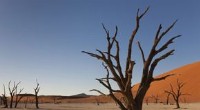
* Wind Erosion: The main driver of erosion in deserts is wind. It carries sand and dust, causing abrasion and deflation. This creates features like yardangs (streamlined rock formations) and ventifacts (wind-faceted stones).
* Water Erosion: While infrequent, desert flash floods can be extremely powerful and carve out canyons and gullies.
* Thermal Erosion: Extreme temperature swings in deserts can cause rocks to fracture, making them more vulnerable to wind and water erosion.
Important Note: Both beaches and deserts experience a balance of erosion and deposition. While erosion removes material, deposition can build up new landforms. This dynamic interplay shapes the landscapes we see.