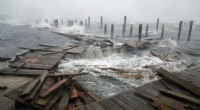
Weathering:
* The Breakdown: Weathering is the process that breaks down rocks, soil, and minerals through physical and chemical means.
* Impact on Topography: Weathering creates:
* Smaller particles: This weakens rock structures, making them more susceptible to erosion.
* Uneven surfaces: Different rock types weather at different rates, creating varied, irregular terrain.
* Soil formation: Weathering breaks down bedrock into smaller particles, forming the basis for soil development.
Erosion:
* The Transport: Erosion is the movement of weathered material by agents like wind, water, or ice.
* Impact on Topography: Erosion creates:
* Valleys and canyons: Rivers and glaciers carve through the landscape, creating deep, narrow depressions.
* Sand dunes and beaches: Wind carries sand, creating these distinctive landforms.
* Coastal changes: Waves erode coastlines, shaping cliffs, beaches, and inlets.
* Changes in elevation: Erosion lowers high points and fills in low areas, altering overall elevation.
Deposition:
* The Drop-Off: Deposition is the process where eroded material is dropped in a new location when the transporting force loses energy.
* Impact on Topography: Deposition creates:
* Deltas: Rivers deposit sediment at their mouths, creating triangular landforms.
* Alluvial fans: Streams carry sediment to the base of mountains, creating fan-shaped deposits.
* Sandbars and beaches: Waves and currents deposit sand, creating these features.
* Landform building: Deposition can build up new land, filling valleys and creating new islands.
The Combined Effect:
The combined action of weathering, erosion, and deposition sculpts the Earth's surface. They work in a continuous cycle:
* Weathering weakens rocks.
* Erosion carries away weathered material.
* Deposition builds up new landforms.
This cycle creates a dynamic and constantly changing landscape. Here are some examples:
* Mountain Formation: Weathering breaks down mountains, erosion carries away material, and deposition builds up surrounding lowlands.
* River Systems: Rivers carve valleys, transport sediment, and create deltas.
* Coastal Landscapes: Waves erode cliffs, beaches, and inlets, and deposition builds up new land.
In conclusion: Weathering, erosion, and deposition are the driving forces behind Earth's changing topography. They work together in a continuous cycle, shaping mountains, valleys, coasts, and everything in between.