Weathering, the breakdown of rocks, soils, and minerals, is a crucial process that shapes our planet. It occurs in two main forms:
1. Physical Weathering:
* Definition: This type of weathering involves the mechanical breakdown of rocks into smaller pieces without changing their chemical composition.
* Causes:
* Frost Wedging: Water seeps into cracks, freezes, expands, and puts pressure on the rock, causing it to break apart.
* Thermal Expansion and Contraction: Repeated heating and cooling of rocks can cause them to expand and contract, leading to cracks and eventual fragmentation.
* Abrasion: Rocks grind against each other due to wind, water, or glacial movement, creating smaller fragments.
* Root Wedging: Plant roots grow into cracks and exert pressure, breaking the rock.
* Salt Wedging: Salt crystals grow in cracks, exerting pressure and causing the rock to break apart.
* Effects:
* Increases surface area, making rocks more susceptible to chemical weathering.
* Creates smaller fragments, which are easier to transport by wind, water, or ice.
* Plays a significant role in the formation of soils.
2. Chemical Weathering:
* Definition: This type of weathering involves the chemical alteration of rocks, leading to the formation of new minerals and the breakdown of existing ones.
* Causes:
* Hydrolysis: Water reacts with minerals in the rock, changing their chemical composition.
* Oxidation: Oxygen reacts with minerals, forming oxides, which are weaker and more susceptible to breakdown.
* Carbonation: Carbon dioxide dissolves in water to form carbonic acid, which reacts with minerals like calcium carbonate, dissolving them.
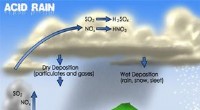
* Acid Rain: Acid rain, caused by atmospheric pollutants, reacts with minerals in rocks, causing them to dissolve.
* Biological Weathering: Plants, animals, and microorganisms can release acids that break down rocks.
* Effects:
* Changes the chemical composition of rocks, making them weaker.
* Creates new minerals and soil components.
* Influences the formation of caves, sinkholes, and other geological features.
The Relationship Between Physical and Chemical Weathering:
Physical weathering often creates more surface area on rocks, which makes them more susceptible to chemical weathering. This creates a feedback loop where physical weathering increases the rate of chemical weathering, and vice versa.
Conclusion:
Both physical and chemical weathering play crucial roles in shaping our planet's landscapes. They break down rocks, create soils, and influence the formation of various geological features. Understanding these processes is essential for studying the Earth's history and predicting future changes.