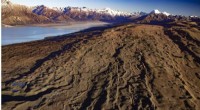
* Volcanic Domes: These are formed when viscous, thick lava (often rhyolitic) oozes out of a vent and slowly piles up around the opening. The lava cools and solidifies, creating a dome-shaped structure.
* Lava Flows: Extensive lava flows can create elevated plains or plateaus, especially when multiple eruptions occur over time.
* Calderas: Large, circular depressions formed after a massive volcanic eruption can also appear as elevated areas, as the surrounding land collapses inward.
Other factors that can contribute to elevated domes in smaller areas:
* Salt Domes: Salt deposits can rise through overlying rock layers, creating dome-shaped structures.
* Diapirs: These are intrusions of mobile rock (like salt, mud, or magma) that rise through overlying layers.
* Uplift: Tectonic forces can cause large areas of the Earth's crust to buckle upward, creating elevated domes.
It's important to note:
* The size and shape of the dome can vary greatly depending on the type of volcanic activity, the composition of the lava, and the tectonic environment.
* While volcanic activity is the most common cause of large elevated domes, other geological processes can also contribute.