Geology is a vast field with diverse sub-disciplines that study the Earth's composition, structure, processes, and history. Here's a breakdown of some major branches:
1. Physical Geology:
* Mineralogy: Study of minerals, their chemical composition, crystal structure, and physical properties.
* Petrology: Study of rocks, their formation, composition, and classification.
* Geochemistry: Study of the chemical composition of Earth materials, including minerals, rocks, and the atmosphere.
* Geophysics: Study of the Earth's physical properties, such as its internal structure, magnetic field, and seismic waves.
* Structural Geology: Study of the deformation and structures within rocks, including folds, faults, and joints.
* Tectonics: Study of the large-scale movements and forces within the Earth's crust, responsible for mountain building and earthquakes.
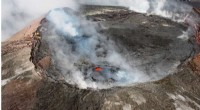
* Volcanology: Study of volcanoes, magma, and volcanic eruptions.
* Hydrogeology: Study of groundwater, its movement, and interaction with the Earth's surface.
* Sedimentology: Study of sediments and their formation, transportation, and deposition.
* Stratigraphy: Study of layered rocks (strata) and their age relationships.
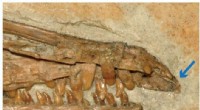
* Paleontology: Study of ancient life, including fossils and their environments.
2. Environmental Geology:
* Environmental Geochemistry: Study of the geochemical processes that affect the environment, including pollution and remediation.
* Geomorphology: Study of landforms and their development, including erosion and weathering processes.
* Environmental Hydrology: Study of the movement and quality of water in the environment.
* Geohazards: Study of natural disasters, such as earthquakes, volcanic eruptions, and landslides.
3. Economic Geology:
* Mineral Exploration: Searching for and evaluating mineral deposits for economic potential.
* Petroleum Geology: Study of oil and gas resources, their formation, and exploration.
* Mining Geology: Study of geological principles applied to the extraction of minerals and resources.
4. Other Branches:
* Planetary Geology: Study of the geology of planets and other celestial bodies.
* Engineering Geology: Application of geological principles to engineering projects.
* Forensic Geology: Application of geology to solve crimes.
* Historical Geology: Study of the Earth's history, including its evolution and the development of life.
This is not an exhaustive list, but it represents some of the major sub-areas within geology. Many of these branches are interconnected and overlap, leading to further specialized fields within geology.