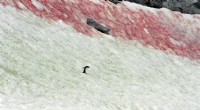
Sediment
* Formation: Sediment is formed through weathering and erosion, where rocks are broken down into smaller pieces by forces like wind, water, ice, and temperature changes.
* Composition: Consists of mostly inorganic material, like sand, silt, clay, and pebbles. It can also contain organic matter, but it's typically not a major component.
* Location: Found in various places like riverbeds, lakes, oceans, and deserts.
* Development: Sediment doesn't undergo significant biological or chemical changes after its formation.
Soil
* Formation: Soil develops from sediment over long periods, influenced by biological, chemical, and physical processes. These include:
* Weathering: Breaking down rocks into smaller particles.
* Organic matter decomposition: Breakdown of dead plants and animals by microorganisms.
* Biological activity: Earthworms, insects, and plant roots create spaces and pathways in the soil.
* Composition: Includes mineral particles (sediment) and organic matter (humus), in varying proportions.
* Location: Found on the Earth's surface, supporting plant life.
* Development: Soil is constantly evolving through the interactions of living organisms, minerals, and the atmosphere.
Here's an analogy:
* Imagine a pile of sand on a beach. That's sediment.
* Now imagine that pile of sand has been mixed with decaying leaves, tiny insects, and worms have burrowed through it over time. This is the beginning of soil.
In essence:
* Sediment is the building block for soil.
* Soil is more complex than sediment due to its biological activity, chemical reactions, and organic content.
Soil is essential for supporting plant life, while sediment can be found in various environments and plays a role in geological processes.