1. Formation of the Permian Sea:
* Around 250 million years ago, the area where Carlsbad Caverns now lies was submerged beneath a vast, shallow sea known as the Permian Sea.
* This sea was rich in marine life, including various species of ancient organisms that produced calcium carbonate (CaCO3) in their shells and skeletons.
* Over time, the remains of these organisms accumulated on the seafloor, creating thick layers of limestone.
2. Uplift and Erosion:
* As tectonic plates shifted, the Permian Sea floor was gradually uplifted, emerging from the water and becoming land.
* This uplift exposed the limestone layers to weathering and erosion by wind and rain.
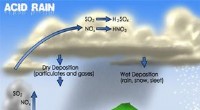
* The acidic rainwater, slightly acidic due to dissolved carbon dioxide, began to dissolve the limestone, creating cracks and fissures.
3. Dissolution and Cavern Formation:
* As the cracks widened, rainwater infiltrated the limestone, continuing the dissolution process.
* This process created interconnected cavities and tunnels, eventually forming the vast underground system of Carlsbad Caverns.
* The dissolved limestone was carried away by water, leaving behind the intricate formations we see today.
4. Deposition and Formation of Cave Features:
* As water dripped from the ceilings and walls, it carried dissolved minerals, including calcium carbonate.
* When the water evaporated, the minerals precipitated, forming stalactites (hanging from the ceiling) and stalagmites (rising from the floor).
* Other formations, like columns, flowstone, and cave pearls, were formed by similar processes of mineral deposition.
The Importance of Water:
* Water played a crucial role in the formation of Carlsbad Caverns, acting as both a solvent and a transporter of dissolved minerals.
* The dissolving power of acidic rainwater was essential for creating the caverns, while the evaporating water deposited the minerals that formed the beautiful cave formations.
Carlsbad Caverns are a testament to the immense power of natural processes and the beauty that can be created over eons. They offer a glimpse into the Earth's geological history and showcase the incredible formations that can occur when water, time, and rock interact.