How jagged rocks can slow down erosion:
* Wind erosion: Jagged rocks can act as barriers, disrupting the flow of wind and reducing its ability to pick up and transport loose soil particles. They can also provide a rougher surface for wind to interact with, which can decrease wind speed and erosion.
* Water erosion: Jagged rocks can slow down the flow of water, especially if they are in a river bed or on a slope. This slows down the force of the water and reduces its ability to carry away soil.
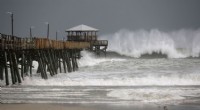
* Coastal erosion: Jagged rocks can act as natural breakwaters, protecting shorelines from the destructive force of waves. They can also scatter wave energy, reducing its impact on the coast.
How jagged rocks can actually increase erosion:
* Water erosion: Jagged rocks can create turbulence in water flow, which can actually increase erosion in certain situations. The turbulent water can be more effective at picking up and carrying away soil particles.
* Chemical weathering: Jagged rocks have a higher surface area, which means they are more exposed to chemical weathering. This can lead to the breakdown of the rocks and contribute to erosion.
Overall:
The effect of jagged rocks on erosion depends on the specific circumstances. In some cases, they can act as a barrier and slow down erosion, while in other cases, they can increase erosion. It is important to consider the specific type of erosion, the location of the rocks, and the surrounding environment when determining their impact.