Here's a breakdown:
Erosion:
* Wave Erosion: The constant crashing of waves against the shoreline is the primary cause of erosion in the Gulf. Waves exert force on the coastline, breaking down rocks, sand, and other materials.
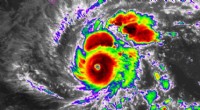
* Storm Surge: During hurricanes and tropical storms, powerful storm surges can significantly increase wave energy and cause substantial erosion.
* Sea Level Rise: As sea levels rise, the shoreline is pushed further inland, increasing erosion.
Deposition:
* Longshore Drift: This is the movement of sand along the coastline driven by waves approaching the shore at an angle. Sand is transported along the beach, creating sandbars, spits, and other features.
* River Sediment Deposition: Rivers like the Mississippi River carry large amounts of sediment from the interior and deposit them at the coast, contributing to the formation of deltas and barrier islands.
Additional factors:
* Tides: Tidal currents can also contribute to erosion and deposition.
* Human activities: Coastal development, dredging, and other human activities can alter natural erosion and deposition patterns.
Key features:
* Barrier Islands: These islands are common along the Gulf coast and are formed by the deposition of sand. They act as a natural buffer against storm surges and erosion.
* Delta: The Mississippi River delta is a prominent example of deposition, where the river carries sediment and deposits it at its mouth, creating a vast area of wetlands.
It's important to note that the specific processes and their intensity vary along the Gulf coast, influenced by local conditions like wave patterns, tides, and the presence of inlets and rivers.