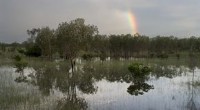
* Coastal plains are diverse: They encompass a wide range of environments, including:
* Salt marshes: These are heavily influenced by tides and have a higher salinity, often leading to slightly acidic pH levels (around 6-7).
* Mangrove forests: Similar to salt marshes, mangroves also experience varying salinity and can have slightly acidic pH.
* Sand dunes: These areas are more exposed and often have a slightly alkaline pH (around 7-8).
* River deltas: These can have a wide range of pH values depending on the river's chemistry and the degree of saltwater intrusion.
* pH varies geographically: Even within the same type of coastal plain environment, the pH can fluctuate significantly based on:
* Rainfall: More rainfall can lead to lower pH due to the leaching of nutrients.
* Underlying geology: Different rock types and soil compositions influence pH.
* Human activities: Pollution and agriculture can dramatically alter the pH of coastal plains.
To determine the pH of a specific coastal plain area, you need to consider:
* The specific location: Where exactly is the coastal plain?
* The dominant vegetation: Salt marshes, mangrove forests, etc.
* The geology and soil type: What kind of rocks and soil are present?
* The local climate: How much rainfall does the area receive?
* Human impact: What are the main human activities in the area?
You can use soil testing kits or consult with environmental agencies to get accurate pH readings for a particular coastal plain location.