1. Crust: This is the outermost layer, what we live on. It's thin and rocky, composed mostly of oxygen, silicon, aluminum, iron, calcium, sodium, potassium, and magnesium. There are two types of crust:
* Continental crust: Thick, less dense, and forms the continents.
* Oceanic crust: Thin, denser, and forms the ocean floor.
2. Mantle: This is the thickest layer, made up of hot, dense rock that behaves like a very viscous fluid over long periods. The mantle is further divided into:
* Upper mantle: Includes the lithosphere (rigid outer layer of crust and upper mantle) and the asthenosphere (partially molten layer that allows the lithosphere to move).
* Lower mantle: This is the solid, hot layer below the asthenosphere.
3. Outer Core: This is a liquid layer composed primarily of iron and nickel. The movement of molten metal within this layer generates Earth's magnetic field.
4. Inner Core: This is a solid ball of iron and nickel, despite extreme temperatures due to immense pressure.
Here's a simple analogy: Think of an egg. The shell represents the crust, the white represents the mantle, and the yolk represents the core.
Key points to remember:
* These layers are not distinct, but rather transition gradually from one to another.
* The physical properties of each layer are influenced by factors such as temperature, pressure, and composition.
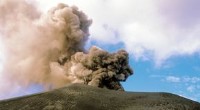
* The Earth's structure is dynamic, with plates constantly shifting and interacting, leading to phenomena like earthquakes, volcanoes, and mountain formation.