Natural Deposition:
* River Deltas: Rivers carry silt and soil downstream, depositing them at their mouths where they meet a larger body of water. This creates fertile deltas, often used for agriculture.
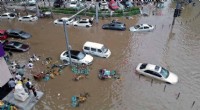
* Floodplains: During floods, rivers overflow their banks, depositing silt and soil onto the surrounding land, creating fertile floodplains.
* Lakes and Reservoirs: Silt and soil settle to the bottom of lakes and reservoirs over time, creating layers of sediment.
* Beaches: Waves and currents deposit sand, silt, and clay along coastlines, forming beaches.
* Glacial Valleys: As glaciers melt, they deposit sediment, including silt and soil, in valleys, forming glacial till.
* Windblown Deposits: Wind can carry fine particles of silt and soil, depositing them in areas like dunes and loess plains.
Human-Induced Deposition:
* Landfills: Landfills are designed to dispose of waste, which often includes soil and silt.
* Construction Sites: Earthworks and excavations can generate large quantities of soil and silt that may be deposited in nearby areas.
* Agricultural Runoff: Runoff from agricultural fields can carry silt and soil into rivers and lakes.
* Dredging: Dredging operations remove sediment from waterways and may deposit it elsewhere.
Specific Locations:
* The Nile Delta: A large and fertile delta formed by the Nile River in Egypt.
* The Mississippi River Delta: A vast delta system at the mouth of the Mississippi River in Louisiana.
* The Yellow River Delta: A delta in China formed by the Yellow River, known for its sediment-rich water.
* The Ganges Delta: A fertile delta in Bangladesh and India formed by the Ganges River.
* Loess Plains of China: Extensive plains formed by windblown silt and soil.
It's important to note that the deposition of silt and soil can have both positive and negative impacts. While fertile soil deposits enhance agricultural productivity, excessive sedimentation can harm aquatic ecosystems, clog waterways, and create erosion problems.