1. Oceanic-Continental Convergence:
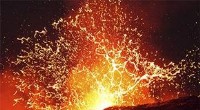
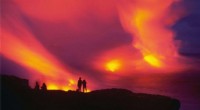
* Volcanic Mountain Ranges: When an oceanic plate subducts (slides) beneath a continental plate, the denser oceanic plate melts. This molten rock rises to the surface, creating volcanoes. Examples include the Andes Mountains in South America and the Cascade Range in North America.
2. Oceanic-Oceanic Convergence:
* Island Arcs: Similar to oceanic-continental convergence, subduction of one oceanic plate beneath another creates volcanic mountains. These volcanoes often emerge from the ocean as islands, forming island arcs. Examples include the Aleutian Islands in Alaska and the Mariana Islands in the Pacific Ocean.
3. Continental-Continental Convergence:
* Folded Mountains: When two continental plates collide, they buckle and fold, creating massive mountain ranges. These mountains are often characterized by steep slopes and high peaks. Examples include the Himalayas in Asia and the Alps in Europe.
Other Types of Mountains at Convergent Boundaries:
* Thrust Faults: These occur when one rock mass is pushed over another, creating a steep slope. Thrust faults are often associated with folded mountains.
* Uplifted Blocks: These are areas of the Earth's crust that have been pushed upward by tectonic forces. They can be found within larger mountain ranges.
It's important to remember that the types of mountains formed at convergent boundaries are influenced by a complex interplay of factors, including the angle of subduction, the thickness of the plates, and the composition of the rocks involved.