Here's why:
* Australia's Geological History: Australia has a long and complex geological history involving volcanic activity, tectonic plate movement, and erosion. These processes have resulted in the formation of various types of igneous rocks.
* Types of Igneous Rocks: Australia features a diverse range of igneous rocks, including:
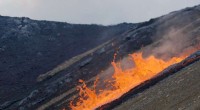
* Extrusive Rocks: Formed from lava flows, such as basalt found in Victoria's Western District and Queensland's Atherton Tableland.
* Intrusive Rocks: Formed from magma that cools beneath the Earth's surface, like granite found in the Flinders Ranges of South Australia and the Blue Mountains of New South Wales.
* Famous Igneous Rock Formations: Some iconic Australian landmarks are formed from igneous rocks, including:
* Uluru (Ayers Rock): A large sandstone monolith with a core of igneous rock.
* The Twelve Apostles: A group of limestone stacks that were formed on an igneous base.
Therefore, it's safe to say that igneous rocks are a significant part of the Australian geological landscape.