* Granite (intrusive) and Rhyolite (extrusive)
* Diorite (intrusive) and Andesite (extrusive)
* Gabbro (intrusive) and Basalt (extrusive)
* Peridotite (intrusive) and Komatiite (extrusive)
Here's the explanation:
* Intrusive rocks form when magma cools and solidifies beneath the Earth's surface. They typically have larger crystals due to the slower cooling process.
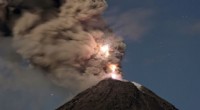
* Extrusive rocks form when lava erupts onto the Earth's surface and cools quickly. This rapid cooling results in smaller crystals or even a glassy texture.
The chemical composition remains the same because the magma and lava originate from the same source. The difference in cooling rate only affects the crystal size and texture of the resulting rock.