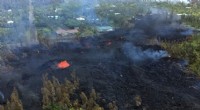
1. Upwelling of Magma: Deep within the Earth, plumes of hot magma rise from the mantle. These plumes exert pressure on the overlying crust, causing it to bulge upward.
2. Stretching and Thinning: The upward pressure leads to stretching and thinning of the Earth's crust. This thinning weakens the crust, making it more susceptible to fracturing.
3. Fault Formation: As the crust continues to stretch, fractures develop, forming deep, parallel faults. These faults are typically normal faults, where blocks of crust slide downward along the fault planes.
4. Formation of a Rift Valley: The blocks of crust between the faults drop down, creating a valley. This valley is a rift valley.
5. Volcanic Activity: As the crust thins, magma can rise to the surface, leading to volcanic activity along the rift valley.
6. Widening and Deepening: Over millions of years, the rift valley continues to widen and deepen as the process of rifting continues.
7. Possible Outcomes:
* Ocean Formation: If the rifting process continues, the rift valley can eventually widen enough to form a new ocean basin. The Red Sea is an example of a rift valley that is actively widening and may eventually become a new ocean.
* Continental Separation: If the rifting process is very extensive, it can lead to the complete separation of a continent. This is what happened to the continents of Africa and South America, which were once joined together before the formation of the Atlantic Ocean.
Key Characteristics of Rift Valleys:
* Steep Fault Scarps: The edges of a rift valley are often marked by steep, cliff-like features called fault scarps.
* Central Depression: The floor of a rift valley is typically lower than the surrounding terrain.
* Volcanic Activity: Rift valleys are often associated with volcanic activity.
* Graben Structures: The blocks of crust that have dropped down between the faults are known as grabens.
Examples of Rift Valleys:
* East African Rift Valley: This is one of the most prominent rift valleys in the world and is still actively forming.
* Baikal Rift Valley: The largest freshwater lake in the world, Lake Baikal, is located within a rift valley.
* Rio Grande Rift: This rift valley runs through the southwestern United States and northern Mexico.
In Summary: Rift valleys are formed by the stretching and thinning of the Earth's crust due to the upwelling of magma from the mantle. This process leads to the formation of deep, parallel faults, which allow blocks of crust to drop down, creating a valley.