Field-Based Research and Exploration:
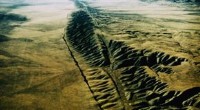
* Geologist/Geoscientist: This is a broad field, but many geologists conduct fieldwork, studying rocks, minerals, and landforms. You could work for a university, government agency (USGS, NOAA), or private consulting firm.
* Paleontologist: Search for fossils, learn about ancient life, and travel to remote locations. You could work in museums, universities, or government agencies.
* Environmental Consultant: Conduct field studies to assess environmental impacts, land use, and resource management. You'll travel to different sites, often working on projects related to mining, construction, or energy development.
* Hydrogeologist: Focus on groundwater resources, studying aquifers and water quality. You might work for water management agencies, environmental consultancies, or mining companies.
* Marine Geologist: Study the seafloor, ocean currents, and marine sediments. This might involve research cruises, underwater explorations, or working with offshore industries.
* Field Technician/Research Assistant: Support scientists in the field by collecting data, analyzing samples, and documenting observations. This is a great entry-level position to gain experience and learn about different research areas.
Education and Outreach:
* Park Ranger/Naturalist: Lead tours, educate visitors about natural history, and manage park resources. You could work in national parks, wildlife refuges, or other protected areas.
* Science Educator/Museum Curator: Share your knowledge of geology and natural history through exhibits, workshops, and public lectures. You might work in museums, science centers, or educational institutions.
* Science Writer/Journalist: Document scientific discoveries, travel to research sites, and communicate geology to a wider audience.
Other Options:
* Freelance Photographer/Videographer: Specialize in nature and travel photography, capturing stunning geological landscapes and sharing your experiences.
* Travel Blogger/Vlogger: Combine your passion for travel and geology by writing or filming about your adventures, inspiring others to explore the natural world.
Tips for Success:
* Education is Key: A strong background in geology, environmental science, or a related field is essential.
* Gain Field Experience: Volunteer for research projects, internships, or seasonal positions to build your skills and network.
* Develop Essential Skills: Improve your research, data analysis, communication, and teamwork abilities.
* Network and Build Relationships: Attend conferences, join professional societies, and connect with people in your field.
* Be Adaptable and Resilient: Fieldwork can be demanding, requiring you to work in challenging conditions and adjust to unexpected situations.
Remember, travel is an important part of many geology-related jobs, but it's not always about "around-the-world" journeys. Even within your own country or region, there are many opportunities to explore amazing landscapes and contribute to science.