Here are some of the main forces that shape the Earth's surface:
Internal Forces:
1. Plate Tectonics: This is the driving force behind many surface changes. The Earth's crust is made up of tectonic plates that move and interact, causing:
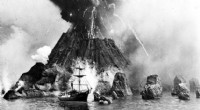
* Volcanism: Volcanoes erupt and release lava, ash, and gases, creating new landforms.
* Earthquakes: Sudden shifts in the Earth's crust cause earthquakes, which can create mountains, valleys, and fault lines.
* Mountain Building: Collision of tectonic plates can create mountain ranges like the Himalayas.
2. Magma Movement: Magma beneath the Earth's surface can create bulges, domes, and other geological features.
External Forces:
1. Erosion: This involves the wearing down and transportation of rock by forces like:
* Wind: Wind can carry sand and dust, eroding rock and creating sand dunes.
* Water: Rivers, glaciers, and waves can carve canyons, valleys, and coastlines.
* Ice: Glaciers can carve out valleys and transport rock, creating glacial landscapes.
2. Weathering: This is the breakdown of rock in place, without being moved, by forces like:
* Freezing and thawing: Water expands when it freezes, breaking apart rock.
* Chemical weathering: Rainwater, with its dissolved chemicals, can break down rock.
* Biological weathering: Plants and animals can break down rock through their growth and activity.
Other important forces:
* Gravity: Plays a significant role in shaping the Earth's surface, especially by influencing erosion and sediment transport.
* Meteorite impacts: While less frequent, meteorite impacts can create craters and significantly alter the landscape.
So, it's important to remember that the Earth's surface is constantly changing, and many forces are at play!