Here's a breakdown of the process:
* Plate Tectonics: The Earth's outer layer, the lithosphere, is made up of large, moving plates called tectonic plates.
* Convergent Boundaries: When two tectonic plates collide, one denser plate will be forced beneath the other.
* Subduction Zone: The area where one plate slides beneath another is called a subduction zone.
* Melting and Magma: As the subducted plate descends, it heats up due to friction and pressure. This can cause the rocks to melt, creating magma.
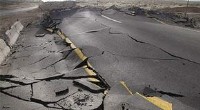
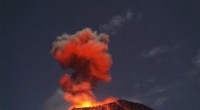
* Volcanoes and Earthquakes: The magma can rise to the surface, leading to volcanic eruptions. The movement of the plates along the subduction zone also causes earthquakes.
Key Points:
* Subduction is a key process in plate tectonics, shaping the Earth's surface and contributing to volcanic activity and earthquakes.
* The denser plate is typically oceanic crust, which is subducted beneath the less dense continental crust.
* The process of subduction is a continuous cycle, where old crust is recycled back into the mantle.