Rock erosion is the process by which rocks are broken down and transported by natural forces, slowly shaping the Earth's surface over time. It's a fundamental geological process that plays a crucial role in creating the diverse landscapes we see around us.
Here's how it works:
1. Weathering: This is the initial stage where rocks are broken down into smaller pieces. There are two main types:
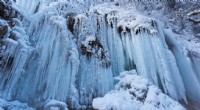
* Physical weathering: Mechanical forces like wind, rain, ice, and temperature changes cause rocks to break apart. Imagine how a freeze-thaw cycle can crack a rock, or how wind can wear away soft rock over time.
* Chemical weathering: This involves chemical reactions that change the composition of the rock, making it weaker and easier to break down. Acid rain, for example, can dissolve some types of rock.
2. Transportation: Once rocks are broken down, they are carried away by:
* Water: Rivers, streams, and ocean currents transport rock fragments, shaping river valleys, coastlines, and canyons.
* Wind: Strong winds can carry dust and sand particles, creating dunes and shaping rock formations.
* Ice: Glaciers can carve out valleys, transport boulders, and even create the famous "U-shaped" valleys.
* Gravity: Gravity plays a key role in rockfalls and landslides, moving large amounts of rock material down slopes.
The effects of erosion:
* Landforms: Erosion creates diverse landforms like mountains, valleys, canyons, and coastlines.
* Soil formation: Weathering breaks down rocks into smaller particles, eventually forming soil.
* Nutrient cycling: Erosion can transport nutrients from one place to another, influencing ecosystems.
* Environmental impact: Erosion can have both positive and negative impacts on the environment. It can cause soil loss, pollution, and landslides, but it also helps to create fertile land and diverse landscapes.
Understanding rock erosion is crucial for:
* Predicting natural disasters: Understanding erosion patterns helps scientists to predict potential landslides, floods, and other natural hazards.
* Managing land use: By understanding the processes of erosion, we can make informed decisions about land use and protect our environment.
* Appreciating the beauty of nature: Erosion is the reason we have such stunning and diverse landscapes, from the towering peaks of mountains to the wind-swept sand dunes.
In essence, rock erosion is a continuous, dynamic process that shapes our planet and influences life on Earth. By understanding how it works, we can better appreciate the beauty and power of nature.