Here's why:
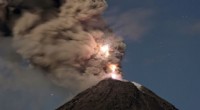
* Igneous rocks form from the cooling and solidification of molten rock (magma or lava). Peridot is a gemstone variety of the mineral olivine, which is a common component of igneous rocks like basalt and peridotite.
* Sedimentary rocks form from the accumulation and cementation of sediments. Peridot doesn't form this way.
* Metamorphic rocks form when existing rocks are transformed by heat, pressure, or chemical reactions. While peridot can be found in metamorphic rocks, it's not formed by the metamorphic process itself.
So, peridot's origin lies in the cooling and crystallization of molten rock, making it an igneous gem.