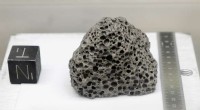
* Parent rock is the foundation: Soil is formed through the weathering and breakdown of parent rock. This process, known as pedogenesis, involves physical and chemical breakdown of the rock, releasing minerals and organic matter that form the basis of soil.
* Mineral inheritance: The composition of the parent rock directly influences the mineral content of the soil. For example, granite parent rocks will yield soils rich in quartz, feldspar, and mica, while limestone will lead to soils rich in calcium carbonate.
* Chemical properties: The chemical properties of the parent rock, such as pH, also influence the soil. For example, acidic rocks like granite produce acidic soils, while basic rocks like limestone result in alkaline soils.
* Texture and structure: The physical properties of the parent rock, such as grain size and texture, influence the soil's texture and structure. Rocks with larger grains will result in coarser soils, while fine-grained rocks will produce finer soils.
However, it's not a one-to-one relationship:
* Time and climate: Other factors like time, climate, and biological activity play significant roles in soil development. Over time, weathering and biological processes can significantly alter the initial mineral composition of the parent rock.
* Organic matter: The accumulation of organic matter from decomposing plant and animal material adds another layer of complexity to soil composition, often enriching the soil with nutrients.
In summary:
While the parent rock provides the initial framework for soil composition, it's crucial to remember that soil development is a complex process influenced by many factors over time. The parent rock is a key starting point, but not the sole determinant of soil composition.