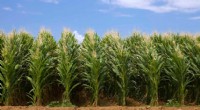
1. Abundant Plant Life: Coal is formed from the remains of ancient plants, primarily trees and ferns. Large, dense forests are needed to provide the necessary organic material.
2. Swampy Environment: These forests must be located in a swampy or boggy area. Swamps provide a wet, oxygen-poor environment that slows down decomposition, allowing plant matter to accumulate.
3. Burial and Compression: Over millions of years, the plant matter is buried under sediment (sand, mud, etc.). The weight of the sediment compresses the plant material, squeezing out water and gases.
4. Heat and Pressure: As the buried plant matter is exposed to even more heat and pressure deep within the Earth, it transforms into coal. Different levels of heat and pressure result in different types of coal (lignite, sub-bituminous, bituminous, and anthracite).
Where these conditions are not met, coal does not form.
Here are some additional factors that influence the presence and quality of coal deposits:
* Climate: Warm, humid climates are ideal for the growth of the types of plants that form coal.
* Geological Activity: Areas that have experienced tectonic plate movement and folding often have coal deposits, as the movement can bury and compress the plant matter.
* Erosion: Erosion can expose coal seams, making them accessible for mining.
Therefore, coal deposits are concentrated in regions that have historically experienced these specific geological and environmental conditions, making them more abundant in some locations than others.