Petroleum geoscience is a fascinating and complex field that combines geology, geophysics, and engineering to locate, evaluate, and extract oil and natural gas. It involves understanding the Earth's history, its geological formations, and the physical properties of hydrocarbons to find and produce these valuable resources.
Here's a breakdown of key aspects:
1. Exploring the Earth's History:
* Petroleum geoscientists delve into the Earth's geological past, examining rock formations, sedimentary basins, and tectonic plates.
* They analyze fossils, minerals, and rock structures to reconstruct the history of hydrocarbon formation and migration.
2. Mapping the Underground:
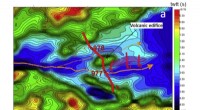
* Seismic surveys use sound waves to create detailed images of underground rock formations.
* Geophysical methods like gravity and magnetic measurements provide further insights into the subsurface.
* Well logs are used to analyze rock properties and identify potential oil and gas reservoirs.
3. Identifying Potential Reservoirs:
* Sedimentary rocks are the primary target for hydrocarbon exploration, as they provide the necessary environment for oil and gas to form and accumulate.
* Porosity and permeability of the rocks determine how much oil and gas can be stored and extracted.
* Traps are geological structures that prevent hydrocarbons from escaping, concentrating them into exploitable reservoirs.
4. Evaluating Reservoir Potential:
* Petrophysical analysis studies the physical and chemical properties of rocks and fluids to estimate the amount of hydrocarbons in place.
* Reservoir simulation uses computer models to predict the behavior of fluids in the reservoir and optimize production strategies.
5. Managing Resources and Sustainability:
* Petroleum geoscientists play a vital role in developing sustainable extraction techniques, minimizing environmental impact and maximizing resource recovery.
* They work to assess the environmental risks associated with exploration and production, ensuring responsible resource management.
In essence, petroleum geoscience is a crucial discipline for finding and extracting oil and gas while minimizing environmental impact. It combines scientific knowledge and technical expertise to navigate the complexities of the Earth and its resources.