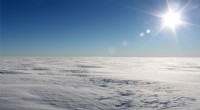
1. Altitude: Alpine tundra occurs at high elevations, typically above the treeline. As altitude increases, the air becomes thinner, resulting in:
* Lower atmospheric pressure: This reduces the amount of oxygen available for plants and animals.
* Colder temperatures: The average temperature decreases with altitude, often falling below freezing for extended periods.
* Increased solar radiation: While the overall temperature is lower, there is more direct sunlight exposure due to the thinner atmosphere.
2. Harsh Climate: The harsh, cold climate of alpine regions limits the types of plants and animals that can survive. This is characterized by:
* Short growing season: The cold temperatures and snow cover restrict plant growth to a brief period each year.
* Strong winds: High winds can damage and desiccate plants, making it difficult for them to establish.
* Low precipitation: While some areas may receive significant snowfall, overall precipitation is generally low.
3. Permafrost: In some alpine tundra regions, permafrost, permanently frozen ground, can occur. This further restricts plant growth and can lead to the formation of unique landforms.
4. Glacial Activity: Past glacial activity in mountainous regions has shaped the landscape and contributed to the formation of alpine tundra. Glaciers erode the land, creating valleys, ridges, and moraines.
5. Soil Development: The thin, poorly developed soils of alpine tundra are influenced by the harsh climate and the presence of permafrost. This soil is often low in nutrients and can be easily eroded.
Formation Process:
1. Mountain uplift: Tectonic forces create mountains and push landmasses higher.
2. Climate change: As the landmass rises, the climate cools and becomes more extreme, leading to the development of a tundra environment.
3. Glacial activity: Glaciers carve out valleys, create moraines, and deposit sediment, further shaping the alpine landscape.
4. Adaptation of plants and animals: Only species that are adapted to the harsh conditions can survive in alpine tundra, resulting in a unique and specialized ecosystem.
In summary: The combination of high altitude, cold temperatures, strong winds, low precipitation, permafrost, and glacial activity create the unique conditions necessary for the formation of alpine tundra. These conditions limit plant and animal life, leading to a distinct and fragile ecosystem.