* Temperature: Magma is extremely hot, which causes the atoms within the rock to vibrate more rapidly and spread further apart. This increase in atomic spacing leads to a decrease in density.
* Composition: Magma often contains a higher proportion of lighter elements like silicon and oxygen compared to the surrounding solid rock. These lighter elements contribute to the lower density.
* Dissolved Gases: Magma also contains dissolved gases, like water vapor and carbon dioxide. These gases create bubbles and further reduce the density of the magma.
Think of it like this: Imagine a solid block of ice. When it melts into water, the water takes up more space and becomes less dense. The same principle applies to the transformation from solid rock to magma.
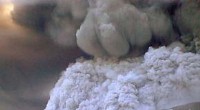
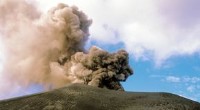
This lower density is crucial for volcanic activity. The less dense magma rises through the denser rock, eventually reaching the surface as lava.