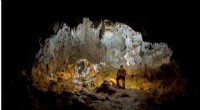
1. Batholith:
* Formation: A massive, irregularly shaped igneous intrusion, often composed of multiple plutons (smaller intrusions). Batholiths form deep within the Earth's crust, where magma slowly cools and solidifies over long periods. They are typically associated with mountain building (orogeny) and are often exposed at the surface due to erosion.
* Characteristics:
* Massive Size: Batholiths can cover hundreds or even thousands of square kilometers.
* Composition: Usually composed of granite, diorite, or granodiorite.
* Exposure: Found at the surface, often forming the cores of mountain ranges.
* Examples: Sierra Nevada Batholith (California, USA), Coast Mountains Batholith (British Columbia, Canada)
2. Stock:
* Formation: A smaller, irregularly shaped igneous intrusion that is similar to a batholith but smaller in size. Stocks are also formed deep within the Earth's crust and often occur in association with batholiths.
* Characteristics:
* Smaller than Batholiths: Typically cover areas of less than 100 square kilometers.
* Shape: May be circular, elliptical, or irregular.
* Composition: Similar to batholiths, often composed of granite or diorite.
* Exposure: Often found at the surface, sometimes exposed as eroded peaks within mountain ranges.
3. Dike:
* Formation: A tabular (flat, sheet-like) intrusion that cuts across existing rock layers. Dikes form when magma rises through fractures in the crust. They are relatively small and often occur in swarms (groups).
* Characteristics:
* Tabular Shape: Dikes are typically thin and elongated.
* Orientation: Vertical or nearly vertical.
* Composition: Can be composed of various igneous rock types, including basalt, rhyolite, and andesite.
* Exposure: Often visible at the surface as linear features or walls of rock.
4. Sill:
* Formation: A tabular intrusion that is parallel to the existing rock layers. Sills form when magma intrudes between layers of sedimentary rock or other existing formations.
* Characteristics:
* Tabular Shape: Sills are typically flat and sheet-like.
* Orientation: Horizontal or nearly horizontal.
* Composition: Can be composed of various igneous rock types, similar to dikes.
* Exposure: Sills can be exposed at the surface due to erosion or uplift.
5. Laccolith:
* Formation: A mushroom-shaped intrusion that forms when magma pushes its way upward, creating a dome-shaped structure. Laccoliths are typically smaller than batholiths and stocks and are often associated with volcanic activity.
* Characteristics:
* Dome-Shaped: The top of a laccolith is usually convex upward.
* Flat Base: The base of a laccolith is relatively flat.
* Composition: Often composed of granite or rhyolite.
* Exposure: Laccoliths can be exposed at the surface, forming hills or mountains.
These are just some of the common intrusive igneous rock structures. The specific shape and composition of an intrusion depend on various factors, including the type of magma, the surrounding rock, and the tectonic setting.