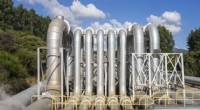
Geothermal resources are a fascinating source of renewable energy, stemming from the Earth's internal heat. They possess several unique characteristics:
1. Origin and Location:
* Origin: Geothermal energy originates from the Earth's internal heat, which is generated by radioactive decay in the Earth's core and mantle.
* Location: Geothermal resources are typically found in areas with volcanic activity, tectonic plate boundaries, or areas with significant geothermal gradients.
2. Types of Geothermal Resources:
* Hydrothermal: These resources are the most common and involve hot water or steam trapped in underground reservoirs. They can be further divided into:
* High-temperature: Temperatures above 150°C, suitable for electricity generation.
* Moderate-temperature: Temperatures between 90-150°C, used for direct heating applications.
* Low-temperature: Temperatures below 90°C, suitable for space heating or agricultural applications.
* Geopressured: These resources involve hot, salty water under high pressure trapped in sedimentary rocks. They can potentially be used for electricity generation and extracting methane.
* Enhanced Geothermal Systems (EGS): These resources involve artificially creating geothermal reservoirs by injecting water into hot, dry rocks.
3. Energy Potential:
* High energy density: Geothermal resources have a high energy density compared to other renewable sources like solar or wind.
* Continuous availability: Unlike solar and wind, geothermal energy is available 24/7, regardless of weather conditions.
* Reliable: Geothermal power plants operate with high reliability and efficiency.
* Scalability: Geothermal energy can be harnessed at various scales, from small-scale district heating systems to large-scale power plants.
4. Environmental Impact:
* Low emissions: Geothermal energy is a clean and renewable source with low greenhouse gas emissions.
* Minimal land use: Geothermal power plants typically occupy smaller areas than other power plants.
* Potential environmental risks: Geothermal activities can cause ground subsidence, water contamination, and noise pollution. These risks can be mitigated with proper management and technology.
5. Economic Considerations:
* High upfront costs: Developing geothermal resources requires significant upfront investment.
* Long lifespan: Geothermal power plants have a long lifespan, typically 20-30 years.
* Stable energy prices: Geothermal power plants provide stable energy prices due to the continuous availability of the resource.
6. Limitations:
* Geographic limitations: Geothermal resources are not evenly distributed geographically.
* High upfront costs: Developing geothermal resources can be expensive.
* Environmental risks: As with any energy extraction, there are potential environmental risks associated with geothermal development.
Overall, geothermal resources offer a promising source of clean, reliable, and sustainable energy. However, it's crucial to consider both the benefits and challenges associated with their development and utilization.