Here's a breakdown:
* Solid vs. Liquid: The mantle is primarily composed of silicate minerals, which are solid at the pressures and temperatures found within.
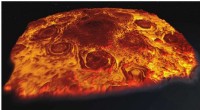
* Viscous Flow: However, the immense pressure and heat within the Earth cause these solid rocks to behave like a very slow-moving fluid. This is called solid-state convection, where the rock can deform and flow over millions of years.
* The Asthenosphere: The upper part of the mantle, called the asthenosphere, is partially molten and acts like a very viscous fluid. This is where tectonic plates "float" and move around.
* The Lower Mantle: The lower mantle is mostly solid, but still behaves like a viscous fluid. This is due to the incredible pressure and heat at those depths.
Why it's important: The viscous nature of the mantle is fundamental to Earth's geological activity. It drives:
* Plate Tectonics: The movement of tectonic plates is powered by convection currents in the mantle.
* Volcanism: Magma rises from the mantle to the surface, causing volcanic eruptions.
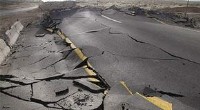
* Earthquakes: The movement of tectonic plates causes earthquakes.
In summary: The Earth's mantle is not a giant pool of molten rock, but a solid layer that behaves like a viscous fluid due to the immense pressure and heat within. This property is essential for shaping our planet's dynamic geology.