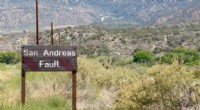
* Plate Tectonics: The Earth's outer layer, the lithosphere, is broken into giant pieces called tectonic plates. These plates are constantly moving, interacting with each other in various ways.
* Convergent Plate Boundaries: When two plates collide, the denser plate subducts (dives) beneath the less dense plate. This process generates immense heat and pressure, leading to:
* Mountain Building: The collision forces the land upward, creating mountain ranges. The Himalayas, for example, were formed by the collision of the Indian and Eurasian plates.
* Volcanoes: As the subducted plate melts, magma rises to the surface, forming volcanoes. The Andes Mountains in South America are a good example of a volcanic mountain range.
* Other Factors: While tectonic activity is the primary driver, other forces contribute to landmass formation, including:
* Erosion: Weathering and erosion, though destructive forces, can also play a role by depositing sediment and building up landforms over time.
* Volcanic Eruptions: Large-scale volcanic eruptions can create new islands and landmasses.
In essence, the interaction of tectonic plates, especially the collision of plates at convergent boundaries, is the primary force behind the creation of mountains and landmasses.