Here's a breakdown:
Geological processes involved in geological disasters can include:
* Tectonic plate movement: This can cause earthquakes, volcanic eruptions, tsunamis, and landslides.
* Erosion: This can lead to soil erosion, sinkholes, and coastal erosion.
* Weathering: This can break down rocks and create landslides.
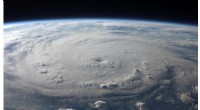
* Climate change: This can exacerbate existing geological hazards, such as sea-level rise and more intense storms.
Types of geological disasters:
* Earthquakes: Sudden shaking of the Earth's surface caused by the release of energy in the Earth's crust.
* Volcanic eruptions: Eruptions of molten rock, ash, and gas from volcanoes.
* Tsunamis: Giant waves caused by earthquakes, volcanic eruptions, or underwater landslides.
* Landslides: The rapid movement of rock, soil, or debris down a slope.
* Sinkholes: Depressions in the ground caused by the collapse of underlying rock.
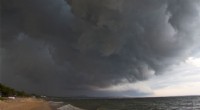
* Floods: Overflows of water onto normally dry land.
* Droughts: Prolonged periods of abnormally low precipitation.
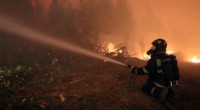
* Wildfires: Uncontrolled fires in wildland areas, often exacerbated by dry conditions.
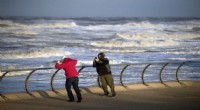
* Coastal erosion: The gradual wearing away of coastlines by waves, currents, and tides.
Impact of geological disasters:
* Loss of life and injuries
* Damage to infrastructure and property
* Economic losses
* Disruption to transportation and communication
* Environmental degradation
* Displacement of populations
Mitigation and preparedness:
* Early warning systems
* Building codes and regulations
* Disaster preparedness plans
* Education and awareness programs
* Emergency response and relief efforts
Understanding geological disasters and their impact is crucial for mitigating risk and building resilient communities.