1. Tectonic Activity:
* Folding: The Earth's crust can be compressed, causing rock layers to bend and fold into hills and mountains. This is common in areas of tectonic plate collisions.
* Faulting: When the Earth's crust breaks and shifts, it can create uplifted blocks that form hills or mountains.
2. Erosion:
* Glacial Erosion: Glaciers carve out valleys and deposit material, which can form hills and mounds.
* Wind Erosion: Wind can erode softer rock and deposit it in piles, creating hills called dunes.
* Water Erosion: Rivers and streams can erode valleys and leave behind hills.
3. Volcanic Activity:
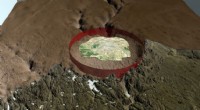
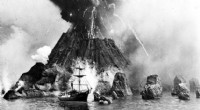
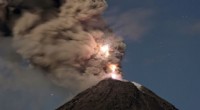
* Volcanic Cones: Volcanoes erupt and deposit lava and ash, creating hills and mountains.
* Lava Flows: Lava flows can solidify into hills or plateaus.
4. Deposition:
* River Deposition: Rivers deposit sediment as they slow down, creating hills and terraces.
* Glacial Deposition: Glaciers deposit sediment as they melt, creating hills and moraines.
5. Mass Wasting:
* Landslides: Mass movements of rock and soil can create hills and slopes.
It's important to note that hills can be formed by a combination of these processes. Their specific shape and size depend on the geological history of the region.