Causes of Weakness:
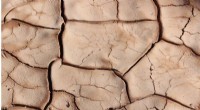
* Joints: Fractures in the rock that are often planar and have no significant displacement. They act as planes of weakness, allowing rocks to break along these lines.
* Faults: Fractures with significant displacement, resulting from tectonic movement. Faults can be major zones of weakness, especially if they are filled with weaker materials like clay or gouge.
* Shear Zones: Zones of highly deformed rock, often associated with tectonic stress. These areas are characterized by intense shearing and can exhibit a range of weakness depending on their structure.
* Bedding Planes: The natural layering in sedimentary rocks, where the rock layers can separate along these planes due to differing composition or consolidation.
* Lithological Contacts: Boundaries between different types of rocks, which can vary in their strength and ability to resist deformation.
* Weathering and Erosion: Exposure to the elements can cause weathering and erosion, weakening the rock and creating zones of weakness.
Implications of Weakness:
* Rockfalls and Landslides: Lines of weakness can facilitate the movement of rock masses, leading to rockfalls, landslides, and other types of slope failures.
* Groundwater Flow: Fractures and faults can create pathways for groundwater flow, influencing water resources and potentially causing instability.
* Engineering Considerations: Understanding lines of weakness is crucial for civil engineering projects like tunnels, dams, and bridges. These structures need to be designed to avoid or mitigate potential problems from these zones.
* Mining Operations: Miners need to be aware of lines of weakness to ensure safe and efficient extraction.
Examples:
* A fault zone in a mountain range: A major fault zone can create a valley or a zone of instability.
* A joint system in a cliff face: Joints can create a network of fractures that make the cliff face susceptible to rockfall.
* Bedded sandstone: The layers of sandstone can separate along the bedding planes, leading to slope failures.
In Summary: Lines of weakness are critical features that influence the behavior of rock masses. They are formed through various geological processes and have significant implications for natural hazards, engineering projects, and resource extraction. Understanding these lines is essential for managing geological risks and planning sustainable development.