Here's why:
* North American Plate: New Jersey sits firmly on the North American Plate. This plate is constantly moving westward at a rate of about 2.5 cm per year (about 1 inch per year).
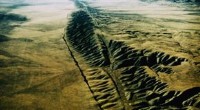
* No Direct Plate Boundary: The state is not located near a major plate boundary like the San Andreas Fault in California, which experiences significant earthquakes.
* Minor Movements: While New Jersey doesn't experience dramatic plate movement like earthquake-prone areas, the slow westward drift of the North American Plate still affects the state. This movement can contribute to the gradual rise and fall of land over very long periods, potentially impacting the coastline and landscape over millions of years.
In Summary: While New Jersey doesn't experience significant tectonic activity, it does move slowly as part of the North American Plate.