1. Past Marine Environments:
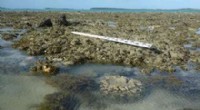
* Warm, Shallow Waters: Limestone is primarily composed of calcium carbonate, which is formed by marine organisms like corals, algae, and shellfish. These organisms thrive in warm, shallow waters with abundant sunlight and nutrients.
* High Biological Productivity: The presence of large amounts of calcium carbonate indicates a thriving ecosystem with a lot of marine life.
* Clear Water: Limestone forms best in clear water with low sediment input. This allows sunlight to reach the organisms at the bottom, promoting growth.
* Specific Marine Environments: Different types of limestone can provide more detailed clues. For example:
* Fossiliferous Limestone: Limestone with abundant fossils can indicate the presence of specific organisms and ecosystems like reefs or shallow seabeds.
* Oolitic Limestone: Limestone with small, rounded ooids (calcium carbonate spheres) often forms in high-energy environments like beaches or tidal flats.
* Chalk: A type of limestone made from the microscopic shells of marine plankton, indicates an environment with abundant plankton blooms.
2. Past Climatic Conditions:
* Tropical or Subtropical Climates: Limestone formation is favoured by warm, tropical or subtropical climates. The presence of limestone can indicate that the region was once located in a warmer climate zone.
* Past Sea Level Changes: Limestone deposits above current sea level provide evidence of sea level changes and the past position of shorelines.
3. Other Environmental Clues:
* Sedimentary Structures: The layering, ripple marks, and other sedimentary structures within limestone can provide clues about the flow of water, the presence of currents, and the types of sediment being deposited.
* Mineral Content: Other minerals present in limestone, like iron oxides or clay, can indicate variations in water chemistry and the presence of specific geological processes.
* Chemical Composition: The specific composition of the limestone can provide information about the chemistry of the water in which it formed.
In summary: Limestone deposits are a valuable tool for understanding past environments. They provide insights into the conditions of ancient oceans, the climate at the time, and even the types of organisms that once lived there.