Weathering
* Physical Weathering: This involves the breakdown of rocks into smaller pieces without changing their chemical composition.
* Frost Wedging: Water seeps into cracks, freezes and expands, putting pressure on the rock and eventually breaking it apart.
* Thermal Expansion and Contraction: The daily temperature changes cause rocks to expand and contract, leading to stress and fracturing.
* Abrasion: Wind, rain, and ice carry sand and other particles that scour and wear down rock surfaces.
* Exfoliation: As the outer layers of rock are exposed to weathering, they peel away in layers.
* Chemical Weathering: This involves the breakdown of rocks through chemical reactions.
* Dissolution: Acids in rainwater dissolve certain minerals, like limestone, creating caves and sinkholes.
* Oxidation: Oxygen reacts with minerals in rocks, forming oxides that are often weaker and more easily eroded.
* Hydrolysis: Water reacts with minerals in rocks, creating new minerals that are more easily weathered.
* Biological Weathering: Living organisms like plants, animals, and bacteria contribute to weathering through processes like root growth, burrowing, and decomposition.
Erosion
* Water Erosion:
* Rivers: Rivers carve valleys, transport sediment, and create canyons.
* Rainfall: Heavy rain erodes soil and carries sediment downhill.
* Glaciers: Massive glaciers carve U-shaped valleys, transport boulders, and leave behind glacial moraines.
* Wind Erosion: Wind picks up loose sediment and transports it, causing abrasion and deflation.
* Deflation: Wind removes fine sediment, leaving behind coarser material like rocks.
* Abrasion: Windblown sand and dust can scour and wear down rock surfaces.
* Gravity Erosion: Gravity pulls sediment downhill, causing:
* Mass Wasting: This includes landslides, slumps, and creep, where large amounts of rock and soil move downslope.
* Soil Creep: A slow, gradual downhill movement of soil.
Other Factors:
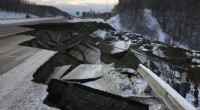
* Tectonic Activity: Earthquakes and volcanic eruptions can cause landslides and rockfalls.
* Climate Change: Variations in temperature and precipitation can influence weathering and erosion rates.
These forces act together in complex ways, shaping mountains over millions of years. The rate of erosion varies depending on the type of rock, the climate, and the topography. But one thing is certain: no mountain can escape the relentless forces of nature.