Convergent Boundaries:
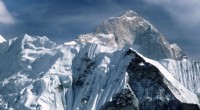
* Mountain Ranges: When two continental plates collide, their immense force pushes the land upwards, forming mountain ranges. The Himalayas, the Alps, and the Andes are prime examples.
* Volcanoes: When an oceanic plate subducts beneath a continental plate, the descending plate melts, generating magma that rises to the surface, forming volcanoes. This process is responsible for the volcanic arcs found along the western coast of South America and the Pacific Ring of Fire.
* Deep Sea Trenches: The subducting oceanic plate creates a deep trench where the two plates meet. The Mariana Trench, the deepest point on Earth, is a prime example.
* Island Arcs: Volcanic islands can form along the edges of convergent plate boundaries. Japan, the Philippines, and the Aleutian Islands are examples of island arcs.
Divergent Boundaries:
* Mid-Ocean Ridges: These underwater mountain ranges are formed when two oceanic plates pull apart, allowing magma to rise and create new crust. The Mid-Atlantic Ridge is a prominent example.
* Rift Valleys: When continental plates diverge, the land can be pulled apart, forming a rift valley. The East African Rift Valley is an excellent example.
* Seafloor Spreading: New oceanic crust is continuously generated at mid-ocean ridges and spreads outwards as the plates move apart.
Transform Boundaries:
* Faults: When plates slide past each other horizontally, they create fractures in the Earth's crust called faults. The San Andreas Fault in California is a well-known example.
* Earthquakes: The movement along transform boundaries can release immense amounts of energy, causing earthquakes.
Other Features:
* Ocean Basins: The continuous spreading of the seafloor at mid-ocean ridges contributes to the formation of ocean basins.
* Continental Drift: The gradual movement of continents across the Earth's surface is a direct result of plate tectonics.
* Supercontinents: Over millions of years, plates can collide and merge, forming supercontinents like Pangaea.
It's important to note that these are just a few examples, and the interaction of plate movements can create a wide variety of complex and fascinating crustal features.