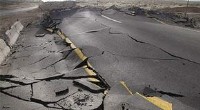
* Convergent Boundaries: Where plates collide. This is where the most powerful earthquakes occur.
* Oceanic-Continental Convergence: An oceanic plate dives beneath a continental plate (subduction). This forms deep ocean trenches, volcanic arcs, and powerful earthquakes.
* Oceanic-Oceanic Convergence: One oceanic plate subducts beneath another, creating volcanic island arcs and earthquakes.
* Continental-Continental Convergence: Two continental plates collide, causing mountain ranges to form and powerful earthquakes.
* Divergent Boundaries: Where plates move apart. These boundaries create mid-ocean ridges, rift valleys, and volcanic activity. Earthquakes at divergent boundaries are generally weaker than those at convergent boundaries.
* Transform Boundaries: Where plates slide past each other horizontally. This type of boundary is known for causing shallow, but sometimes powerful, earthquakes. The San Andreas Fault in California is a famous example.
It's important to note: While earthquakes are most common at plate boundaries, they can also occur within plates, called intraplate earthquakes. These are usually less frequent and less powerful than those at plate boundaries.