Erosion:
* Definition: Erosion is the process of wearing away and transporting rock, soil, and other materials from one location to another. This can be caused by various forces, including:
* Water: Rivers, rain, and waves carve out channels, valleys, and canyons.
* Wind: Wind can pick up and carry sand, dust, and small particles, causing abrasion and deflation.
* Ice: Glaciers can grind down mountains and transport vast amounts of material.
* Gravity: Gravity causes landslides, rockfalls, and soil creep, moving material downhill.
* Effects on surface:
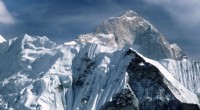
* Lowering elevations: Erosion wears down mountains, hills, and plateaus, lowering their elevations.
* Creating landforms: Erosion shapes valleys, canyons, beaches, and other landforms.
* Changing coastlines: Waves erode cliffs and beaches, changing the coastline.
* Transporting sediment: Erosion carries sediment from one place to another, where it can be deposited.
Deposition:
* Definition: Deposition is the process where eroded material is dropped or settled in a new location. This happens when the transporting force loses energy.
* Effects on surface:
* Building up elevations: Deposition can build up landforms such as deltas, sand dunes, and alluvial fans.
* Creating new land: Deposition can create new land by filling in lakes, estuaries, or coastal areas.
* Changing river courses: Deposition can cause rivers to shift their courses, creating oxbow lakes and floodplains.
* Forming fertile soil: Deposition of sediment can create fertile soil in river valleys and floodplains.
Interplay of Erosion and Deposition:
* Dynamic system: Erosion and deposition work together in a dynamic system. Erosion removes material, while deposition adds material, constantly reshaping the landscape.
* Balance: Over long periods, the rate of erosion and deposition can be relatively balanced, leading to a steady state of landform development. However, changes in climate, vegetation, or human activity can disrupt this balance.
* Influence on ecosystems: The processes of erosion and deposition play a crucial role in shaping ecosystems and influencing the distribution of plants and animals.
Examples:
* Grand Canyon: Formed by the Colorado River eroding through layers of rock over millions of years.
* Sand dunes: Formed by wind deposition of sand.
* Delta of the Mississippi River: Formed by the deposition of sediment carried by the river.
By understanding erosion and deposition, we gain a deeper appreciation of the ever-changing nature of the Earth's surface and the forces that shape it.