Here's a breakdown of how it works:
1. Moist Pacific Air: The prevailing winds come from the Pacific Ocean, carrying moisture.
2. Mountain Barrier: As the moist air approaches the Rocky Mountains, it is forced to rise.
3. Cooling and Condensation: As the air rises, it cools. This cooling causes the moisture in the air to condense, forming clouds and precipitation.
4. Western Slopes: The western slopes of the Rocky Mountains receive the majority of this precipitation, leading to lush forests and abundant water sources.
5. Dry Air Descends: The air that has lost its moisture descends on the eastern side of the mountains.
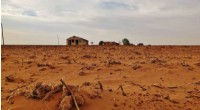
6. Warming and Drying: As the air descends, it warms and becomes drier. This warm, dry air creates a rain shadow effect, leading to the development of semi-arid and arid conditions on the eastern slopes.
Other factors that contribute to the climate differences:
* Elevation: The Rocky Mountains are high, and elevation significantly impacts temperature. Higher elevations tend to be colder.
* Latitude: The latitude of the Rockies also plays a role in temperature variations.
* Continental Location: The eastern slopes are further inland and experience a more continental climate, with greater temperature fluctuations.
Result: The western side of the Rockies is characterized by a humid, temperate climate with abundant rainfall and lush vegetation, while the eastern side features a semi-arid to arid climate with less rainfall and sparse vegetation.