Here's a breakdown of the major types of igneous rocks and where you can find them:
1. Intrusive Igneous Rocks (Plutonic):
* Formation: These rocks cool and solidify slowly beneath the Earth's surface, allowing large crystals to form.
* Texture: Coarse-grained, with visible crystals.
* Examples:
* Granite: Composed of quartz, feldspar, mica, and hornblende. Found in mountain ranges, often forming the core of the mountain.
* Gabbro: Dark-colored, composed of plagioclase feldspar and pyroxene. Found in oceanic crust and mountain ranges.
* Diorite: Intermediate in composition, with plagioclase feldspar and hornblende. Found in mountain ranges.
2. Extrusive Igneous Rocks (Volcanic):
* Formation: These rocks cool and solidify rapidly on the Earth's surface, resulting in smaller crystals.
* Texture: Fine-grained, with tiny crystals, or glassy if cooling is very rapid.
* Examples:
* Basalt: Dark-colored, fine-grained, composed of plagioclase feldspar and pyroxene. Found in volcanic flows, ocean floor, and some mountain ranges.
* Rhyolite: Light-colored, fine-grained, composed of quartz, feldspar, and mica. Found in volcanic flows, often associated with explosive eruptions.
* Andesite: Intermediate in composition, with plagioclase feldspar and hornblende. Found in volcanic flows, often associated with stratovolcanoes.
* Obsidian: Glassy, black or dark-colored, formed from very rapid cooling of lava. Found in volcanic flows, often associated with explosive eruptions.
Locations to Find Igneous Rocks:
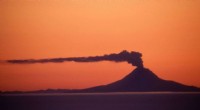
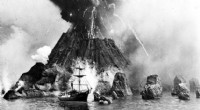
* Volcanoes: Active and extinct volcanoes are excellent locations to find volcanic rocks.
* Mountain Ranges: Mountain ranges often have igneous rocks exposed at the surface, both intrusive and extrusive.
* Ocean Floor: The ocean floor is primarily made up of basalt, an extrusive igneous rock.
* Canyons and Valleys: Erosion can expose igneous rocks in canyons and valleys.
* National Parks: Many national parks feature igneous rocks as a prominent geological feature.
Identifying Igneous Rocks:
* Color: Dark-colored igneous rocks usually contain more magnesium and iron, while light-colored rocks have more silica and aluminum.
* Texture: The size and arrangement of crystals can help distinguish between intrusive and extrusive rocks.
* Mineral Composition: Identifying the minerals present in the rock can help you determine its specific type.
Remember, a geologist can provide the most accurate identification of igneous rocks based on their characteristics and location.