* Location: They are found beneath the oceans, forming the ocean floor.
* Composition: They are thinner than continental plates and are denser, due to their mafic composition.
* Formation: They are constantly being created at mid-ocean ridges where magma rises from the Earth's mantle and solidifies.
* Movement: They are constantly moving, driven by convection currents in the Earth's mantle, a process known as plate tectonics.
* Interaction: Their interactions with other plates lead to various geological phenomena like:
* Subduction: Oceanic plates are denser than continental plates, so they are forced beneath them at subduction zones, leading to earthquakes, volcanoes, and mountain ranges.
* Seafloor spreading: At mid-ocean ridges, new oceanic crust is formed and pushes older crust away, expanding the ocean floor.
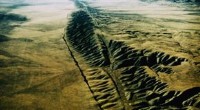
* Transform faults: Oceanic plates slide past each other horizontally, causing earthquakes along transform faults.
In essence, oceanic plates are the dynamic, constantly moving foundation of the Earth's oceans, driving geological processes that shape our planet's surface.