Here's why:
* Strike: This refers to the direction of the fault line, which is typically horizontal.
* Slip: This refers to the movement of the rocks along the fault line, which is predominantly horizontal.
Types of Strike-Slip Faults:
* Right-lateral: Rocks on the opposite side of the fault move to the right.
* Left-lateral: Rocks on the opposite side of the fault move to the left.
Famous Example:
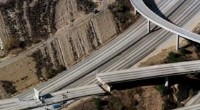
The San Andreas Fault in California is a classic example of a right-lateral strike-slip fault.