1. Plate Tectonics:
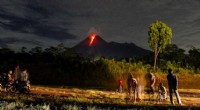
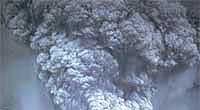
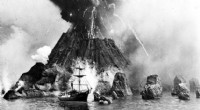
* Continental Drift: The Earth's outer layer is made up of large plates that move slowly over time. These plates carry the continents with them, causing them to collide, separate, or slide past each other. This process is responsible for the formation of mountains, earthquakes, and volcanic eruptions.
* Subduction Zones: Where plates collide, one plate can slide under the other. This process brings rocks deep into the Earth's mantle, where they melt and eventually resurface as magma.
2. Earthquakes:
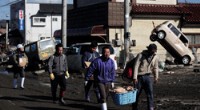
* Fault Lines: Earthquakes occur along fault lines, which are fractures in the Earth's crust where rocks have moved past each other. During an earthquake, rocks on either side of the fault suddenly slip, causing the ground to shake.
3. Erosion:
* Weathering: Over time, rocks are broken down by wind, rain, ice, and chemical reactions. This process creates smaller pieces of rock that can be easily transported by wind, water, or ice.
* Transportation: Eroded rock fragments are carried away by wind, water, or ice and deposited in new locations. This process can create landscapes like sand dunes, riverbeds, and glacial valleys.
4. Mass Wasting:
* Landslides, Rockfalls, and Mudflows: Gravity can cause rocks and soil to move downslope, creating landslides, rockfalls, and mudflows. These events can dramatically change the landscape and relocate rocks.
5. Human Activity:
* Mining: Humans extract rocks and minerals from the Earth for various purposes. This process involves removing large amounts of rock from their original locations.
* Construction: Construction projects can involve moving large amounts of rock and soil. This can lead to changes in the landscape and the relocation of rocks.
It's important to note that these processes occur at different rates and scales:
* Plate tectonics move continents at a rate of centimeters per year, while earthquakes can cause sudden shifts in rocks within seconds.
* Erosion and mass wasting can happen gradually over time, but can also be triggered by extreme weather events.
So, while some rock movements are slow and gradual, others are sudden and dramatic. Ultimately, the Earth's surface is constantly changing, and rocks are constantly being shifted to new positions.