Environmental Impacts:
* Climate Change: Coal is a major contributor to greenhouse gas emissions, primarily carbon dioxide. Burning coal releases large amounts of CO2 into the atmosphere, trapping heat and accelerating global warming. This leads to:
* Rising global temperatures
* More frequent and intense heatwaves
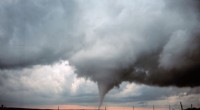
* Changes in weather patterns, including more extreme storms
* Rising sea levels
* Ocean acidification
* Air Pollution: Coal-fired power plants release a wide range of pollutants into the air, including:
* Sulfur dioxide, which contributes to acid rain
* Nitrogen oxides, which contribute to smog and respiratory problems
* Particulate matter, which can cause lung damage and other health issues
* Heavy metals like mercury, which can contaminate ecosystems and accumulate in food chains
* Water Pollution: Coal mining and processing can contaminate water sources with:
* Heavy metals
* Acid mine drainage
* Sediment runoff
* Chemicals used in processing
* Land Degradation: Coal mining can lead to:
* Deforestation
* Habitat loss
* Soil erosion
* Land subsidence
Health Impacts:
* Respiratory Problems: Air pollution from coal combustion can trigger asthma, bronchitis, and other respiratory problems, particularly in children, the elderly, and people with pre-existing health conditions.
* Cardiovascular Diseases: Fine particulate matter from coal emissions can penetrate deep into the lungs and enter the bloodstream, increasing the risk of heart attacks, strokes, and other cardiovascular diseases.
* Cancer: Some coal combustion byproducts, like arsenic and benzene, are known carcinogens.
* Neurological Problems: Exposure to heavy metals like mercury can lead to neurological problems, particularly in children.
Other Impacts:
* Economic Impacts: Coal mining can have both positive and negative economic impacts on communities. While it can provide jobs and boost local economies, it can also lead to environmental degradation and health problems that can negatively impact economic development in the long run.
* Social Impacts: Coal mining can displace communities, impact cultural heritage sites, and create social unrest.
Alternatives to Coal:
Due to its significant environmental and health impacts, there is growing pressure to move away from coal and towards cleaner energy sources, such as:
* Renewable energy (solar, wind, hydro)
* Nuclear energy
* Energy efficiency improvements
The transition to a cleaner energy future will require substantial investment and policy changes, but it is essential to mitigate the negative impacts of coal on Earth and protect human health.