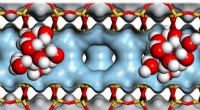
1. Burial: As sediment accumulates, the weight of overlying layers presses down on the sediment. This pressure compacts the sediment, squeezing out water and air.
2. Cementation: Dissolved minerals in the groundwater within the sediment precipitate out and crystallize in the spaces between sediment grains. These minerals act like glue, binding the grains together.
3. Recrystallization: The original minerals in the sediment can change their form or become more stable through chemical reactions.
The key factors that influence the time it takes for sediment to become solid rock include:
* The type of sediment: Fine-grained sediment like clay compacts more readily than coarse-grained sediment like sand.
* The amount of pressure: Greater pressure leads to faster compaction and cementation.
* The availability of dissolved minerals: Abundant dissolved minerals in groundwater accelerate cementation.
* The temperature and pressure conditions: These factors influence the rate of chemical reactions and mineral transformations.
It's important to note that the timeframe for lithification can vary widely, ranging from thousands to millions of years.