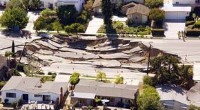
Coastal erosion is the gradual wearing away of the coastline by the forces of nature, primarily waves, currents, tides, and wind. It's a natural process that has been shaping our coastlines for millennia. Here's a breakdown:
What Causes Coastal Erosion?
* Waves: The most significant force in coastal erosion. Waves generated by winds crash onto the shore, eroding cliffs, beaches, and other landforms. The force of the wave itself, as well as the debris it carries (like sand, pebbles, and even larger rocks), contributes to erosion.
* Currents: Both ocean currents and local currents caused by tides can move sediment and erode the coastline. Strong currents can carry away sand and other materials, leaving behind vulnerable areas susceptible to further erosion.
* Tides: The rise and fall of tides create a cycle of erosion and deposition. The force of the incoming tide can erode the shoreline, while the receding tide may deposit sediment.
* Wind: Wind plays a role in coastal erosion through various mechanisms:
* Wave generation: Wind creates waves, driving the primary force of erosion.
* Beach erosion: Strong winds can pick up sand and transport it inland or offshore, leading to beach erosion.
* Cliff erosion: Wind-driven rain and sand blasting can erode cliff faces, especially in areas with soft rock formations.
What are the Impacts of Coastal Erosion?
Coastal erosion can have significant impacts, both natural and human-related:
* Loss of land: Beaches and shorelines are gradually eroded, leading to the loss of valuable land.
* Damage to infrastructure: Coastal erosion can damage homes, businesses, roads, and other infrastructure located near the shoreline.
* Habitat loss: Erosion can destroy coastal habitats like dunes, wetlands, and seagrass beds, impacting wildlife populations.
* Changes in coastline: Erosion can reshape coastlines, creating new landforms or altering existing ones.
Factors Influencing Coastal Erosion:
Several factors contribute to the rate and extent of coastal erosion:
* Geological factors: The type of rock, the angle of the coastline, and the presence of natural barriers (like reefs) all influence erosion rates.
* Climate change: Rising sea levels, more frequent and intense storms, and changes in ocean currents all contribute to increased erosion.
* Human activities: Coastal development, dredging, and the construction of seawalls can accelerate erosion by altering natural processes.
Managing Coastal Erosion:
Managing coastal erosion is crucial for protecting our coastlines and communities. Strategies include:
* Hard engineering solutions: Building structures like seawalls, breakwaters, and groynes to protect the shoreline.
* Soft engineering solutions: Beach nourishment (adding sand to the beach), dune restoration, and vegetation planting to help stabilize the coastline.
* Coastal management plans: Implementing policies and regulations to prevent further erosion and manage development in coastal areas.
Coastal erosion is a complex and ongoing process. Understanding its causes and impacts is crucial for developing effective strategies to protect our coastlines and mitigate the risks associated with erosion.